A working fireplace is more than just a feature, it’s the heart of your home. But without proper care, your chimney can become a hidden danger. From blocked flues to crumbling brickwork, the early warning signs are easy to overlook, and neglecting regular chimney sweeping can lead to costly, and potentially dangerous, consequences.
At By the Fireside, we’re specialists in chimney services, offering everything from chimney sweeping near you to full fireplace chimney repair. We help homeowners across Glasgow and throughout Scotland keep their fireplaces safe, efficient, and built to last.
Why Regular Chimney Maintenance Matters?
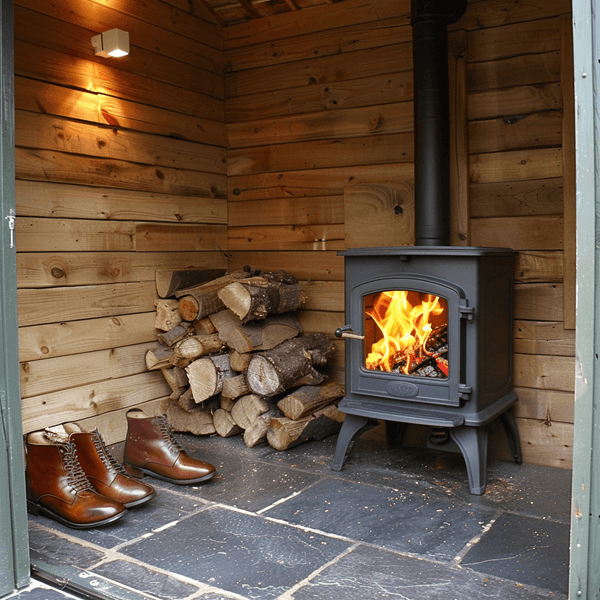
Your chimney isn’t just a vent; it’s a crucial safety system. When well-maintained, it safely channels smoke, gases, and heat away from your home. But when neglected, it can become a serious fire or carbon monoxide risk.
Here’s why regular chimney maintenance is essential:
- Fire Prevention: Creosote, soot and debris are highly flammable.
- Energy Efficiency: A clean chimney helps your fire burn hotter and cleaner.
- Air Quality: Blockages lead to poor ventilation and indoor smoke.
- Longevity: Regular upkeep helps you avoid expensive structural repairs.
Whether you’ve just moved into a new home or haven’t had your chimney checked in years, spotting the signs of trouble early can save you time, stress and money.
Chimney Sweeping: Signs It’s Time for a Clean
A dirty chimney is more than just a nuisance; it’s a genuine hazard. Regular chimney sweeping removes flammable creosote, soot, and blockages, ensuring your chimney is safe and functional. Here’s how to know it’s time for a sweep:
Smoke in the Room:
If smoke fills your room when you light the fire, it typically means your chimney isn’t drawing air properly. This poor draft could be due to soot, creosote buildup, or an obstruction like a bird’s nest. It’s not just annoying, it’s potentially life-threatening, exposing your home to carbon monoxide and fire risk and requires a thorough chimney flue cleaning immediately.
Strong Smell from the Fireplace:
Unpleasant odours from your fireplace, especially during warm or damp weather, are a key sign of creosote buildup or moisture trapped inside your chimney. The smell can be pungent, tar-like, or even musty, and often worsens during rain or high humidity. This is more than a cosmetic issue; it signals your flue is holding onto dangerous materials that need to be cleaned out.
Visible Creosote Build-up:
Creosote is a sticky, highly flammable by-product of burning wood. It can appear as a dark, crusty, or shiny black residue on the inside walls of your chimney or flue. Even a thin layer of creosote increases your fire risk significantly. If you see it, it’s time for professional chimney sweep cleaning; DIY methods won’t do.
Difficulty Starting or Maintaining a Fire:
Having trouble getting your fire to light or stay lit? This can be a result of poor airflow caused by blockages, creosote, or a damaged liner. A properly functioning chimney creates a natural upward draft; if that’s compromised, your fire will smoulder, burn weakly, or go out prematurely. It’s a frustrating issue that usually points to the need for chimney maintenance.
Soot Dropping into the Fireplace:
If black dust or chunks of soot are falling into your fireplace, it’s a strong sign that your flue is overfilled or deteriorating. Not only does this make a mess, but it’s also a symptom of restricted ventilation, which can cause fires to backdraft. Contact your local chimney cleaners to assess and clean it thoroughly.
Animals or Debris in the Chimney:
Chimneys make perfect nesting spots for birds and small animals, especially if there’s no cap. You might hear scratching or chirping, or even notice twigs, leaves, or droppings in the fireplace. These obstructions can block airflow entirely and increase the chance of fire. Humane removal and fitting a proper chimney cap is essential.
It’s Been Over a Year Since Your Last Sweep:
Even if everything seems fine, most UK households need an annual sweep, especially if using wood or coal. If you have an older or Victorian chimney, which tends to be narrower and more fragile, you may need it swept twice a year. A missed sweep often leads to costly repairs and higher chimney cleaning prices later.
Chimney Masonry: Signs of Structural Damage
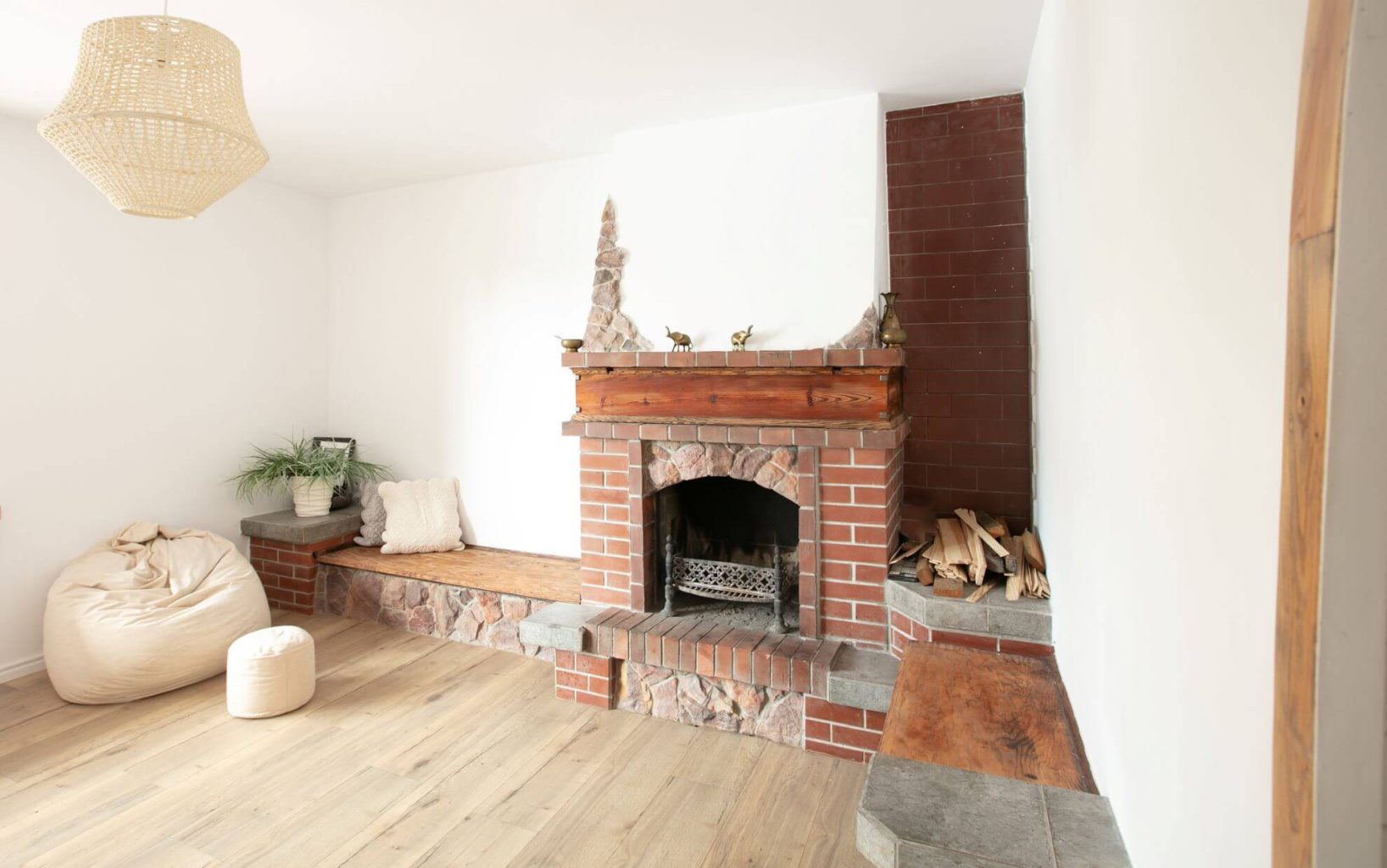
Your chimney is constantly exposed to rain, wind, frost, and heat, especially in the UK climate. Over time, this exposure weakens the structure. Damaged masonry can compromise your chimney’s safety and lead to moisture damage inside your home. Look for these key signs:
Cracked Bricks or Mortar:
Cracks in the chimney’s exterior aren’t just cosmetic. They allow water to enter, which freezes and expands during cold weather, worsening the damage. Over time, cracks can extend into the flue, increasing the risk of chimney collapse or internal leaks. Prompt repair from chimney repair specialists near you can stop the deterioration early.
Spalling Bricks:
Spalling occurs when bricks begin to flake, chip, or crumble. It’s caused by trapped moisture inside the brickwork that expands when frozen. You’ll often notice bits of brick falling onto your roof or the ground below. This is a serious warning sign that the structural integrity of your chimney is being compromised.
Deteriorating Mortar Joints:
Mortar holds the chimney’s bricks together. When it starts to degrade, the bricks become loose and unstable. This condition, known as “repointing failure”, is especially common in older chimneys. Without repairs, the entire structure may eventually require rebuilding, which is significantly more expensive than timely maintenance.
Leaning or Tilting Chimney:
A chimney that’s noticeably leaning or off-centre is in urgent need of inspection. This may be due to foundation problems, wind damage, or prolonged water infiltration. Left unchecked, it can collapse, creating major hazards to your roofline and those nearby.
White Staining (Efflorescence):
Efflorescence is a white, powdery residue found on brickwork. It occurs when water seeps through the chimney and draws salts to the surface. While not immediately dangerous, it indicates chronic moisture issues. It’s a key sign that your chimney needs waterproofing and potential repointing.
Water Leaks:
Are you noticing water stains on the walls near your fireplace or on the ceiling above? Your chimney could be letting rainwater inside due to flashing damage, crown cracks, or open mortar joints. Chimney leaks often start small and worsen over time, leading to mould, rot, and structural damage.
Rust on Metal Components:
Rust on the damper, firebox, or chimney cap is a tell-tale sign of excess moisture inside the chimney. These metal parts should stay dry; if they’re rusting, it means water is getting in, which can also cause interior brick deterioration and chimney liner damage.
Chimney Lining: Signs Your Liner Needs Attention
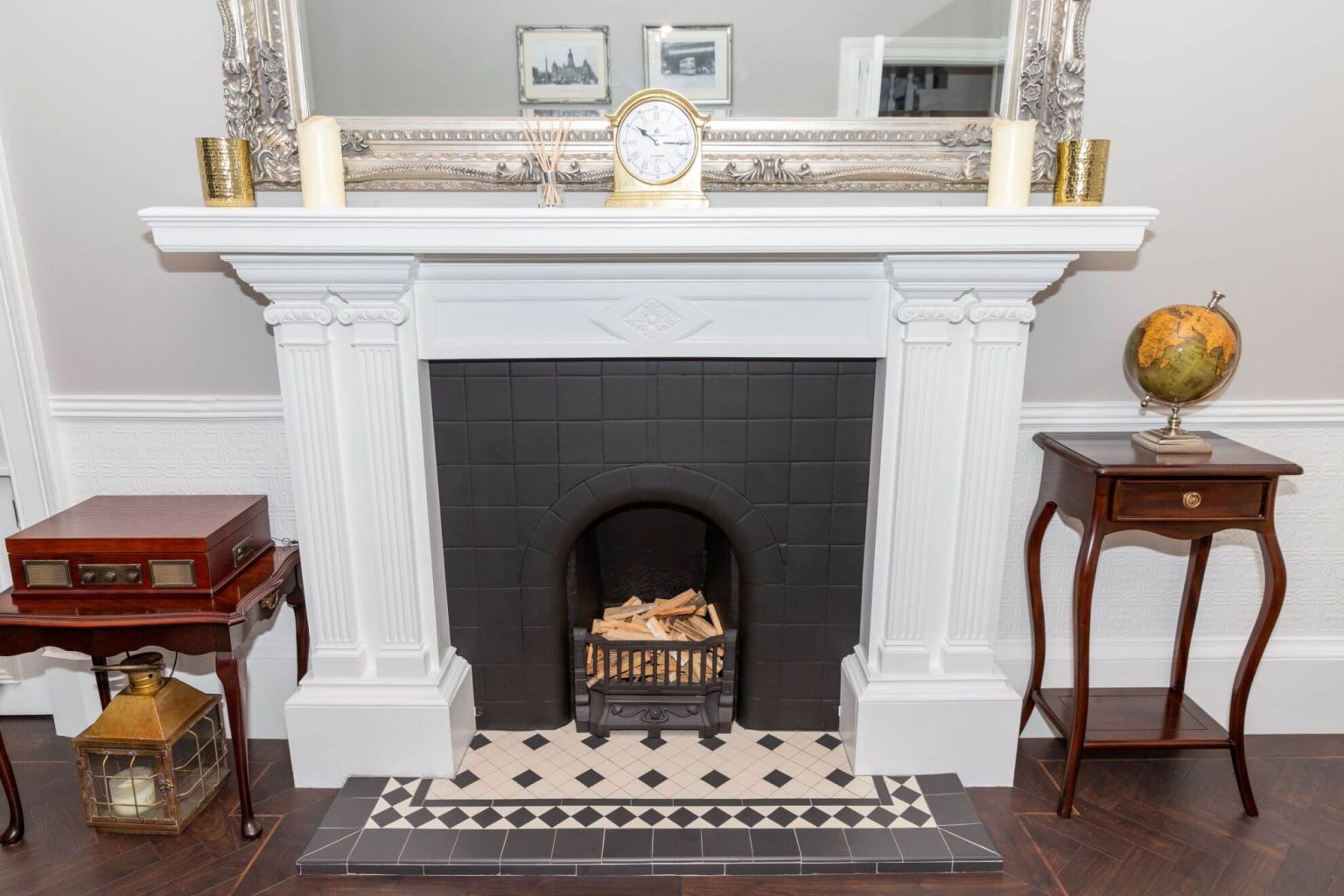
The chimney liner is a protective barrier inside the flue that prevents heat and gases from damaging your walls and roof. Many homeowners don’t realise their liner is deteriorating until it’s too late. These signs point to a failing or inadequate liner:
Deterioration or Damage to the Liner:
If pieces of clay or debris are found in your fireplace, your liner is likely breaking apart. Clay tile liners, common in older chimneys, can crack under high temperatures. Metal liners can corrode over time. A broken liner exposes your home to fire and carbon monoxide risks; a professional chimney inspection is essential.
Poor Draft or Slow-Starting Fires:
A damaged or misaligned liner can cause air flow issues. Fires that are hard to start or that smoke excessively are often signs of a compromised flue. This not only affects your heating efficiency but can also result in smoke damage indoors.
Excessive Heat Transfer to Surrounding Materials:
The liner exists to insulate heat from reaching nearby wood, plaster, or insulation. If the walls around your chimney feel unusually warm, or if nearby wallpaper peels or discolours, it could mean your liner is failing, increasing the risk of a house fire.
Creosote Build-up:
Even if you’ve had a sweep, if creosote keeps returning rapidly, your liner may be allowing cooler air in or not venting properly. This makes combustion less efficient and encourages soot build-up, which is dangerous and needs professional assessment.
Age and Wear:
If your chimney hasn’t been relined in 20+ years, or if you don’t know when it was last inspected, it’s worth getting a chimney inspection near you. Older liners may not meet today’s safety standards and could be compromised without visible symptoms.
Changes in Heating Appliance or Fuel Type:
Installed a new wood burner? Switched from gas to multi-fuel? Each fuel type and appliance demands specific liner materials and sizing. Using an incompatible liner can reduce efficiency and create fire hazards. A liner upgrade is often needed as part of proper servicing of the fireplace routines. Qualified chimney liner installers should always inspect or install a liner when upgrading your heating system.
The Cost of Ignoring Chimney Maintenance
Neglecting chimney care doesn’t just increase the risk of fires; it costs more in the long run. Here’s what can happen if issues go unaddressed:
- Fire and smoke damage to your home or furnishings
- Carbon monoxide risks from poor ventilation
- Structural damage requiring extensive rebuilding
- Higher chimney sweep cleaning and repair costs
- Reduced property value or home insurance claims
Investing in routine chimney maintenance, especially with a trusted local chimney sweep, protects your property, health and wallet.
Book Your Chimney Inspection Today
Whether you need a chimney sweeping service, fireplace cleaning, or a full chimney sweep service, By the Fireside offers affordable, reliable, and professional care for your home.
We serve families across Glasgow and throughout Scotland, specialising in chimney maintenance, inspection, and repairs, including expert service for Victorian chimneys.
- Transparent chimney sweep prices
- Fast, friendly local service
- No mess, no hassle
- Emergency and routine inspections
Don’t wait for winter. Book your chimney inspection now, and keep your home safe, warm, and ready for winter.

Frequently Asked Questions (FAQs)
- How much does chimney cleaning cost in the UK?
The average cost of chimney cleaning ranges from £50 to £120, depending on your location and chimney type. - How often should I sweep my chimney?
At least once a year, or more often if you use your fireplace regularly. - What if my chimney smells when it rains?
This often indicates moisture mixing with creosote or soot. A professional cleaning and waterproofing can help.